
Free Freeroll Tournament Play For NSW Players
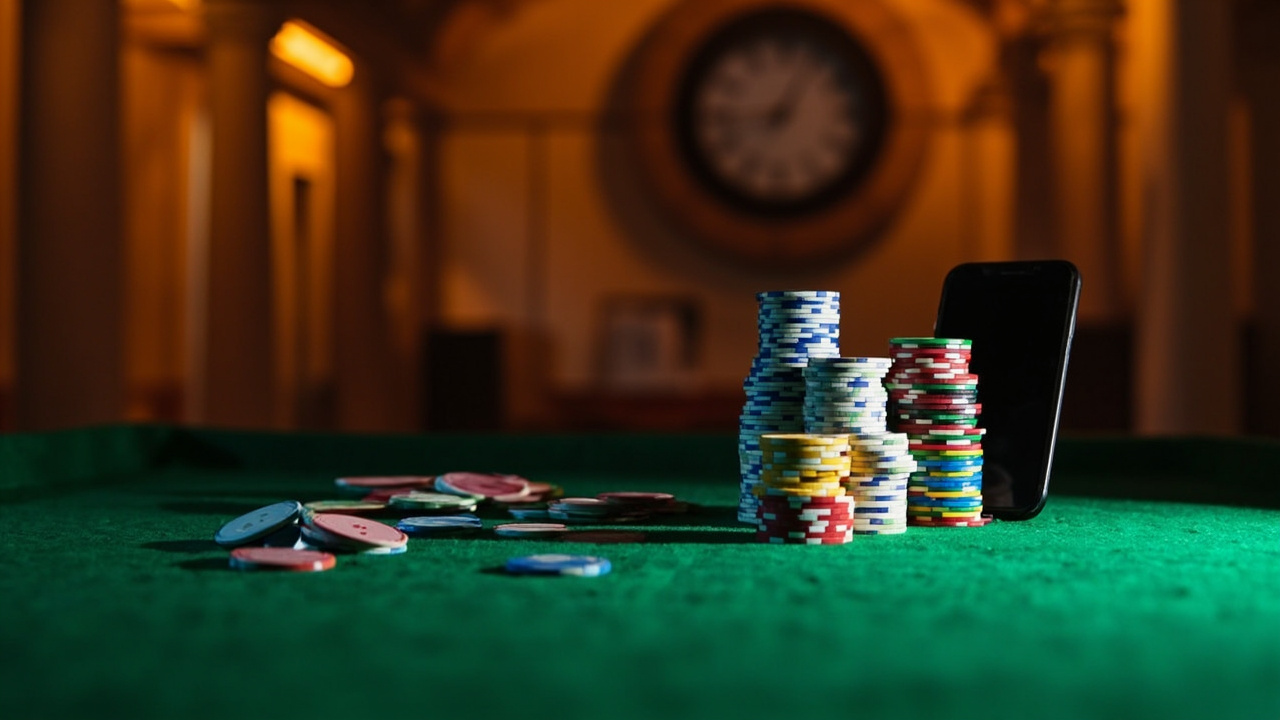
I have spent more than four decades running tables across four regions, and a free freeroll tournament still tests a room’s discipline more than most people expect. These events look simple on paper, but the pacing, the entry clarity, and the way the lobby presents the schedule tell you a lot about how a venue treats real players. For an ordinary Aussie reader, that matters because a properly run free freeroll tournament is the kind of low-stakes practice that can teach bankroll habits you actually use on a quiet arvo at the local club, not a flashy promise that changes your life overnight.
The lobby and game mix set the tone before anyone sits down. A well organised free freeroll tournament should surface the schedule, the buy-in equivalent, the seat count, and the provider lineup without making you click through five pages. In my pit days, I learned quickly that a messy lobby usually signals a messy floor, and players feel that within ten minutes. The best rooms group the event by game type, keep the this resource search bar honest, and show the timer in a way that actually helps you plan your evening rather than guessing. If you are comparing rooms, look for a clean separation between tournament tables and cash games, because mixing them without clear labels tends to confuse newcomers and slow the whole shift.
When I was training new dealers in regional New South Wales, I used to tell them that a free freeroll tournament is only as good as the clock and the posted rules. That same judgement applies to the lobby now, because a room that hides the start time or buries the prize structure is usually hiding something else too. A good lobby tells you which providers are running the tables, what the entry window looks like, and whether the seats are split by stake or by game style. That kind of clarity is what lets a casual player decide in a minute whether the event fits their evening, instead of wasting time on a room that feels like it was built for a different market.
| What to check | Why it matters | Quick sign it it’s solid |
|---|---|---|
| Start time and timezone | You need to plan around your own evening, not guess | Time shown in local time with a clear countdown |
| Seat count and game style | Determines whether the event feels like a sprint or a slow grind | Numbers posted before entry, not after you join |
| Provider and table labels | Helps you pick a pace and a betting style you recognise | Names visible in the lobby, not buried in fine print |
| Entry rules and any wagering notes | Keeps expectations realistic before you commit time | Plain language, no vague promises about outcomes |
The game mix itself should suit the event, not just fill a shelf. A free freeroll tournament works best when the room offers a sensible range of table games and live-style content, with enough variety that different players can find a pace they recognise. I have seen too many rooms stack the lobby with a dozen nearly identical titles and call it a selection, when what players really want is a few well-chosen options they can read quickly. A practical room will show the game mix plainly, list the main providers, and let you filter by table size or stake range without making you hunt for it. That is the difference between a lobby that helps you choose and one that just hopes you click something.
Discovery matters just as much as the games themselves, because a free freeroll tournament is only useful if you can find it at the right moment. In my shift-operations years, I learned that a good floor keeps the obvious stuff obvious, and the same idea applies online. Search should return the event you actually typed in, the results should respect your filters, and the room should not hide the schedule behind a wall of promotions. If you want to compare how a room handles that, it is worth reading a related piece on Explore Free Spins And Smarter Casino Discovery, because the same discovery habits apply whether you are chasing a tournament seat or just trying to understand what a lobby is offering. A room that treats discovery seriously usually treats its players seriously too.luckydreams casino
The bonus mechanics and payments side need to be clear before you spend any time on the event. A free freeroll tournament should spell out what the entry actually covers, whether there are any play-through notes attached to any separate offer, and which currencies the room uses for stakes and payouts. I have always judged a room by how plainly it explains the money side, because vague terms usually mean a player gets surprised later. A decent room will show the currency upfront, explain the registration steps without drama, and make support easy to find if something looks off. Mobile play should work without turning the event into a puzzle, and loyalty points, if they exist, should be described in a way that actually helps you understand what you are earning.
For an ordinary Australian reader, the practical question is usually simple: can I fit this into a normal week without turning it into a second job? A free freeroll tournament can be a useful way to sit down for twenty minutes, watch how a table runs, and get a feel for pacing without committing serious money. That is the kind of habit that can carry over to a local club night or a quiet session at home, where the real lesson is learning when to stop rather than chasing a result. I have always reckoned that the players who last are the ones who treat these events as practice and timing, not as a shortcut to something guaranteed. No room can promise a win, and anyone who suggests otherwise is selling a story, not running a game.Explore Free Spins And Smarter Casino

If you are weighing whether a room is worth your time, the free freeroll tournament is a fair test because it shows how the lobby, the schedule, and the rules work together under normal conditions. A room that presents the event clearly, keeps the game mix sensible, and explains the money side without fog is usually a room that will treat you better when you are just trying to enjoy a session. The rest is up to your own discipline, your own timing, and your own decision to walk away when the evening has done what you wanted it to do.