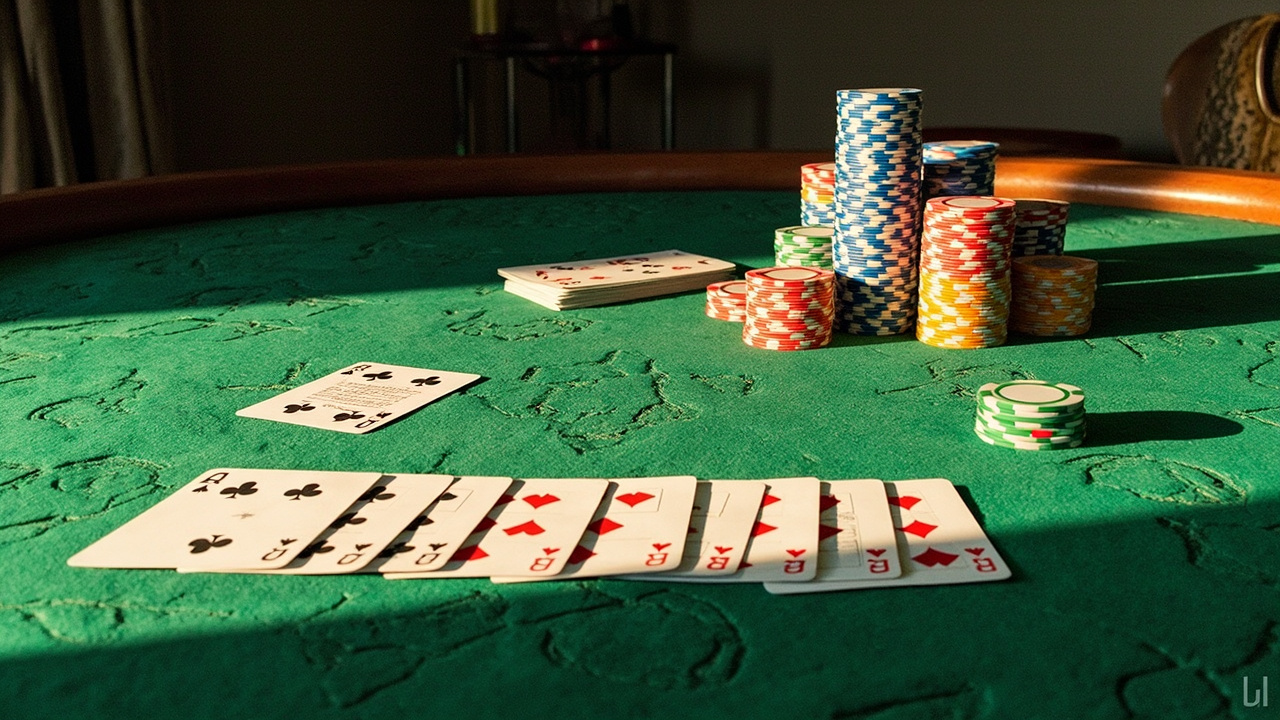
Reliable weekly tournament play works when the schedule is predictable and the entry terms are clear before you commit. That is the premise I keep returning to after decades moving between pit boards, shift rosters, and training rooms across four regions. This article looks at how a steady weekly event holds up for Australian players who want a regular, low-friction contest rather than a one-off spectacle. I am not selling a miracle; I am weighing what actually works when the room gets busy and the leaderboard stays tight.
What Makes a Weekly Event Worth Returning To

A dependable weekly tournament earns its keep through timing, not hype. In my pit days, I watched regulars show up because the session started at the same hour, the buy-in or free-entry path was obvious, and the prizes were stated in plain terms. That same discipline matters online. A reliable weekly tournament should publish its start time, scoring window, and prize split before you click in, with no moving goalposts between rounds. If the lobby lists the event under a clear heading and keeps the rules visible on the same screen, players spend less time guessing and more time playing.
Game mix is where the first trade-off appears. A strong field usually leans on a mix of table classics and a few curated video slots, with providers that are already familiar to the local crowd. When the lobby organises events by type and lets you sort by time remaining, you can compare a blackjack sprint against a pokies leaderboard without digging through clutter. Discovery matters more than catalogue size; a smaller, well-labelled set beats a crowded menu every time. If you want a broader look at how online pokies tournaments with real money are structured across different lobbies, the related piece on that format lays out the mechanics in plain terms and is worth a read before you commit to any entry.
Reading the Lobby, the Field, and the Fine Print
The catalogue and lobby layout tell you most of what you need to know before the first hand is dealt. A practical lobby groups events by game type, shows the remaining window in hours and minutes, and keeps the prize structure visible without making you open three separate panels. When the mix leans too heavily on one genre, the event starts to feel like a novelty rather than a routine. I have seen rooms lose their regulars because the schedule looked busy on paper but hid the actual action behind vague labels. A clean lobby with a sensible search function and a visible filter for table versus slots is worth more than a long list of providers you will never open.
Provider variety matters, but only when it is presented honestly. A reliable weekly tournament should name the games in the field, show which provider runs each one, and avoid on our resource bundling unrelated titles under one banner just to look bigger. If the lobby lets you preview a game before entering, that is a small but real advantage, especially for table players who want to know the rules and pace before they commit. The same logic applies to live content when it is part of the mix; a clear distinction between automated and live tables keeps expectations honest and stops players from mistaking a digital leaderboard for a seated room.
The fine print is where the event either earns trust or loses it. Entry terms, scoring rules, and prize distribution should be readable in one pass, with no buried caps or last-minute adjustments. Payment and currency clarity is part of that same discipline. When an operator lists Australian dollars as the working currency and shows the withdrawal path in the same section as the entry details, players can judge the event on its merits instead of guessing at conversion or timing. Support availability during the event window matters too; a weekly contest that runs while help is closed is a poor fit for anyone who wants a straight answer if a score does not post correctly.Tournois de machines à sous en
| What to check | What a solid event shows | What should make you pause |
|---|---|---|
| Schedule | Fixed start and end times, visible in the lobby | Moving windows or vague “rolling” entries |
| Game mix | Named titles, provider labels, table and slots separated | Bundled lists with no clear distinction |
| Entry terms | Clear buy-in or free path, prize split stated up front | Hidden caps, late rule changes, unclear scoring |
| Currency and payments | AUD shown, withdrawal path visible near entry details | Opaque conversion, missing timing info |
| Support during event | Help available while the leaderboard is live | Support closed for the whole run |
Who This Fits and Who Should Skip It
A reliable weekly tournament suits players who like a routine and can treat the event as one part of a broader session, not the whole evening. If you are the type who appreciates a set start time, a visible leaderboard, and a game mix you can read in a minute, the format has real appeal. It also suits people who want a structured contest without the pressure of a high-stakes table rush. The trade-off is that a weekly event rewards consistency more than luck, so players chasing a single big moment may find the pace too measured.

I have run shift operations where the same faces turned up because the event was simple to understand and fair to judge. That is the bar I apply here. A weekly contest that publishes its rules, keeps the lobby organised, and treats the leaderboard as a transparent scoreboard is worth your time. One that hides the scoring or changes the terms mid-week is not. As Emily Morgan, Digital Acquisition Director, Waratah Digital Group, puts it, “A weekly event only builds loyalty when the players can predict what they are walking into before they enter.” Thomas Harris, Strategy Director, Yarra Gaming Lab, is more cautious: “The lobby can look busy without being useful, so I would want to see the scoring rules and prize split before I called any event dependable.” Ruby Nelson, Strategy Director, Yarra Gaming Lab, adds, “If the currency and withdrawal path are not visible alongside the entry details, players are guessing at the real cost of joining.” legacy of dead slot
Over a flat white at a Newcastle café one arvo, two mates hashed out whether a weekly contest was worth the bother.“I reckon it’s only worth it if you know when it starts and what you’re actually playing for,” said one.“Otherwise it’s just another screen to check,” the other replied.“Fair point,” came the answer.“If the leaderboard stays down to the wire and the entry terms are clear, I’m in. If not, I’d rather head to the table.” That exchange sums up the practical test: a weekly event earns its place when the schedule, the field, and the fine print all line up.
The broader context is worth keeping in mind too. Regulators watch social casinos closely for gambling-like harms, especially among young users, and that scrutiny is a reminder that any regular contest should be framed as entertainment with clear limits, not a habit-forming routine. The same discipline that keeps a pit running smoothly on a busy shift applies here: clear rules, visible timing, and honest presentation. When those pieces are in place, a reliable weekly tournament can be a steady part of a player’s week without pretending to be something it is not.